Food Photography in Toronto: Why Your Dish Looks Great on the Table and Terrible on the App
I cooked in professional kitchens for over a decade before I ever touched a camera for money. I plated thousands of dishes under kitchen lights that were never meant to flatter anything. So when a restaurant owner tells me the photo on the delivery app just doesn't do the food justice, I already know roughly what happened before they finish the sentence.
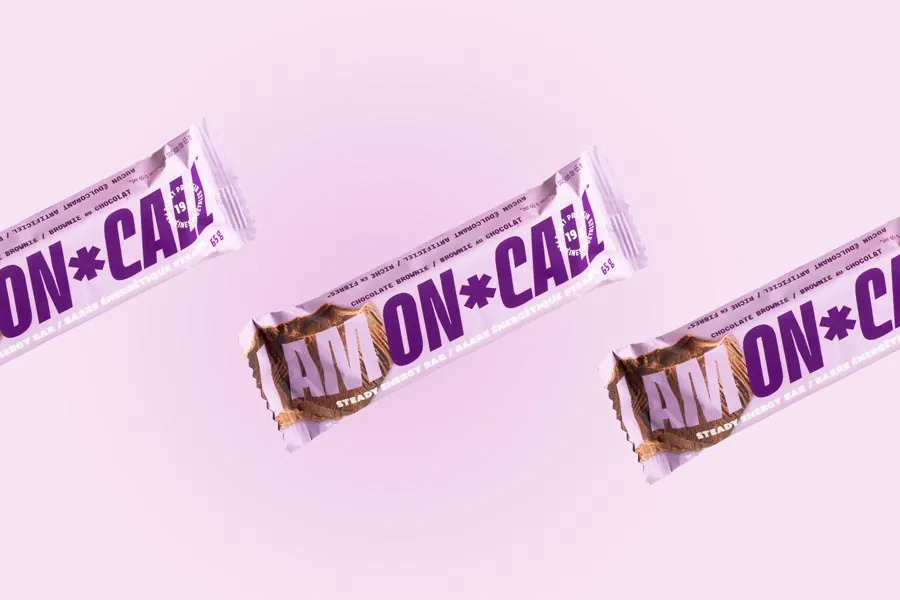
It's not the food. The food is probably fine. The photo is the problem, and the reason usually traces back to a handful of decisions made in a rush by someone who had six other things to do that day.
The lighting in your kitchen is not the lighting a camera wants
Kitchens are built for cooking, not for pictures. The light above the pass is harsh, often yellow-orange, and comes from directly overhead. That's a workable environment for a line cook checking sear marks. It is a rough environment for a photo. Overhead light carves shadows under every ridge of a burger, every fold of a taco. Sauce goes muddy. Cheese loses its shine. Steam either vanishes completely or shows up as a strange white blur.
A phone camera under that light does exactly what it's told. It captures the harsh shadows and the yellow cast faithfully. Nobody wanted that documented. Nobody scrolling a delivery app wants to look at it either.
Plating for a customer and plating for a camera are different jobs
When I ran a restaurant, we plated for the person sitting at the table, a few feet away, under low dining room light, glancing down for a couple of seconds before eating. That plate did its job in that context.
A lens two inches from the food reveals everything a diner's eye politely skips over. A bit of sauce smeared on the rim. Grease pooling under a garnish. Fine on the table, unforgiving in a photo.
Styling for a camera is a separate skill from cooking, and most kitchens don't have anyone assigned to it. That's not an insult to anyone back there. It was never part of the job until delivery platforms made a photo the entire sales pitch.
What food photography in Toronto has to solve that a phone can't
Here's the part almost nobody accounts for. On a delivery app, your photo isn't really displayed. It's shrunk into a thumbnail roughly the size of a stamp, sitting next to dozens of other thumbnails, while someone scrolls with their thumb at speed, deciding what to tap in under a second.
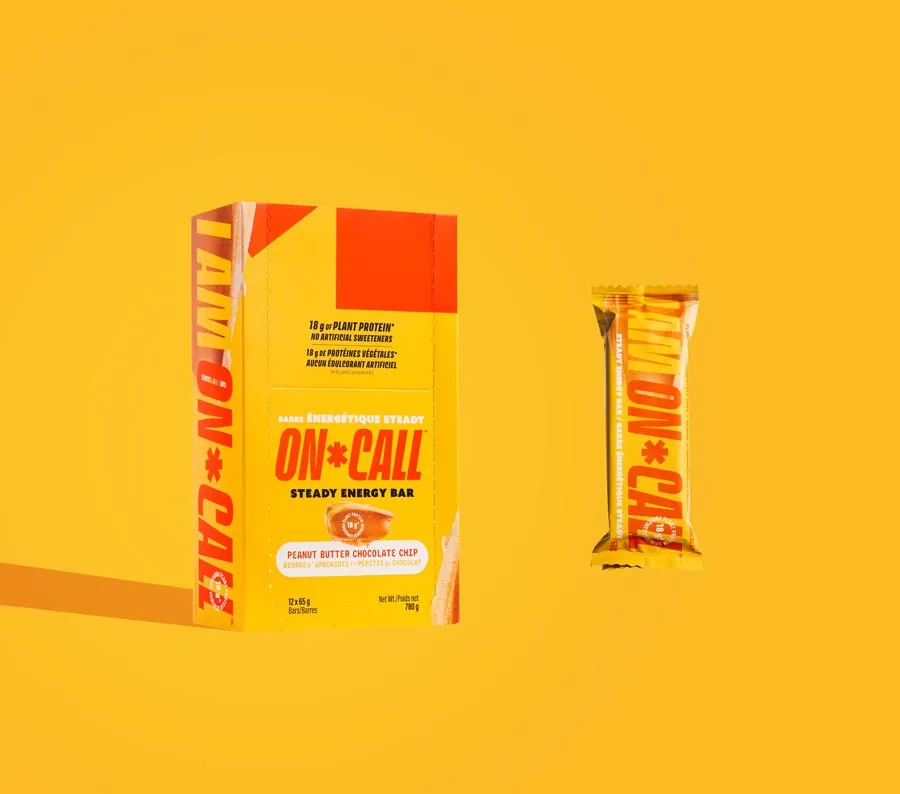
Detail disappears at that size. Shape and contrast are what actually read. A photo that looked great full-screen on your phone can turn into a brown smudge once the platform compresses and shrinks it through its own image pipeline. Every app handles that compression differently, and none of them are trying to make your food look better. They're trying to make the page load fast.
If a photo is shot to look good at full size, on a bright phone screen, in good conditions, it will let you down the moment it lands in a thumbnail grid next to forty competitors. When I shoot menu photography I already know the endpoint is going to crush a chunk of the image quality out of it. Contrast has to survive that. Colour has to survive that. Fine detail is the first thing to go, so I stop leaning on it to do the work.
What actually fixes it
None of this needs a huge production. A short shoot, proper lighting, and someone who understands how an image degrades on its way to a customer's thumb, and you end up with photos that hold up in a thumbnail and on a full screen. A menu photography session built for delivery platforms usually lands somewhere in the range of $1,500 to $3,000, depending on how many dishes are involved, and that cost gets spread across every order that photo quietly influences for as long as it stays live.
I'll admit some owners hear that range and go shoot it on a phone anyway. Sometimes it turns out fine. Most of the time I can tell within about half a second of opening the app. Customers can tell too. They just don't put it into words. They just scroll past.
All posts